Junagarh Fort – The Unconquered Pride of Bikaner
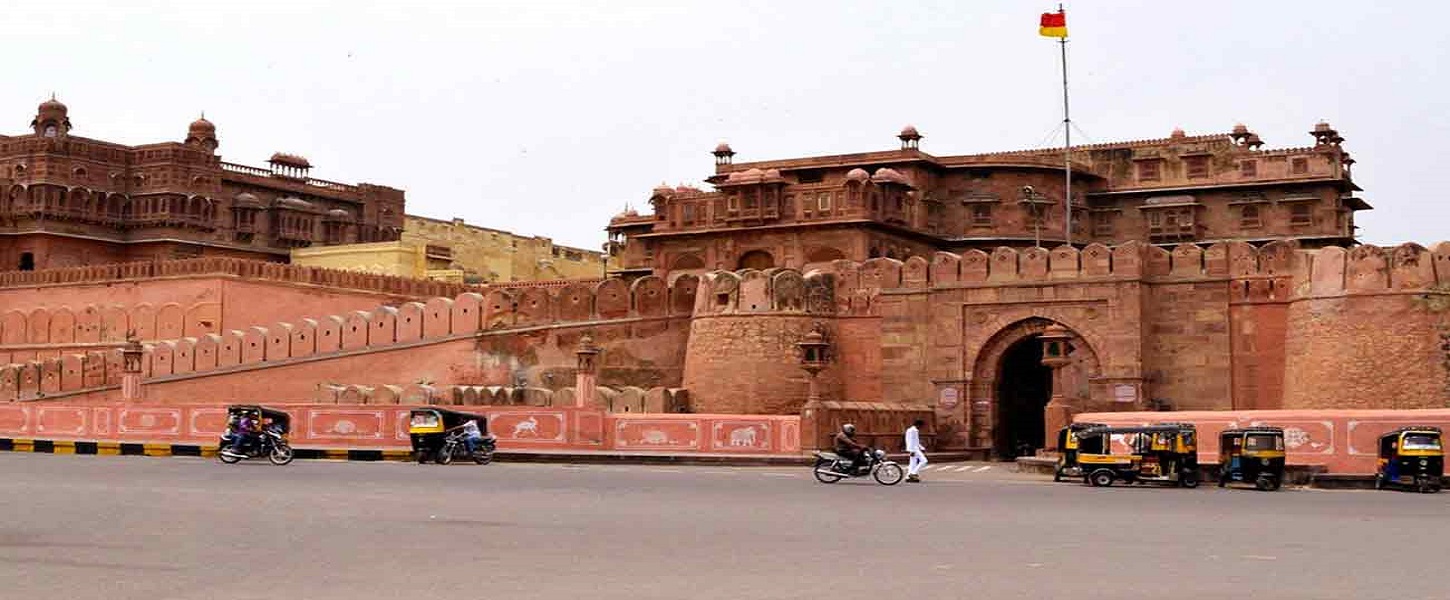
The Junagarh Fort, located in the heart of Bikaner, is one of Rajasthan’s most impressive and well-preserved forts. Built in 1594 by Raja Rai Singh, a trusted general in Emperor Akbar’s army, the fort is unique because it was constructed on the plains — not on a hilltop like most Rajput forts — and has never been conquered in battle. This magnificent structure is a testament to Bikaner’s royal strength, artistry, and resilience.
Made of red sandstone and marble, Junagarh Fort features a stunning blend of Rajput, Mughal, and Gujarati architecture. Within its massive walls lie several exquisite palaces, courtyards, temples, and balconies, each more ornate than the last. Highlights include the Anup Mahal with its intricate gold leaf work, the Karan Mahal, Phool Mahal, and the beautifully adorned Badal Mahal, whose painted ceilings depict clouds and rain — a rare sight in the desert.
The fort also houses a museum displaying royal artefacts, weapons, costumes, and manuscripts that narrate Bikaner’s glorious past. Its detailed carvings, lattice windows, and polished marble floors reflect the height of craftsmanship from the Rajput era.
With Hope India Tour and its Private Driver in India service, travellers can explore Junagarh Fort comfortably while learning about its remarkable history and architecture. Majestic, unconquered, and awe-inspiring — Junagarh Fort stands as a proud symbol of Bikaner’s royal heritage and Rajasthan’s enduring legacy.
The Royal Residence of Bikaner
The Lalgarh Palace is one of Bikaner’s most elegant architectural masterpieces and a glorious reminder of Rajasthan’s royal grandeur. Built between 1902 and 1926 by Maharaja Ganga Singh in memory of his father, Maharaja Lall Singh, the palace was designed by British architect Sir Samuel Swinton Jacob. Crafted entirely from red sandstone, this magnificent structure beautifully blends Rajput, Mughal, and European architectural styles, creating an aesthetic of timeless sophistication.
The palace features grand halls, latticework verandas, and sprawling lawns surrounded by intricate stone carvings and filigree designs. Inside, visitors can marvel at antique furniture, exquisite paintings, hunting trophies, and photographs depicting the royal history of Bikaner’s ruling family. The Laxmi Niwas Palace, a part of the complex, was once the royal residence and now serves as a luxury heritage hotel offering an authentic royal experience.
Another section of the palace houses the Sadul Museum, which showcases artefacts, weaponry, and royal portraits, providing a glimpse into the regal life of Rajasthan’s maharajas. The peaceful gardens and red sandstone façade make it one of the most photogenic landmarks in the desert city.
With Hope India Tour and its Private Driver in India service, travellers can explore the Lalgarh Palace, Junagarh Fort, and nearby attractions in comfort and style. Majestic, graceful, and rich in history, Lalgarh Palace stands as a living testament to Bikaner’s royal heritage and architectural brilliance.
The Temple of Holy Rats in Deshnok
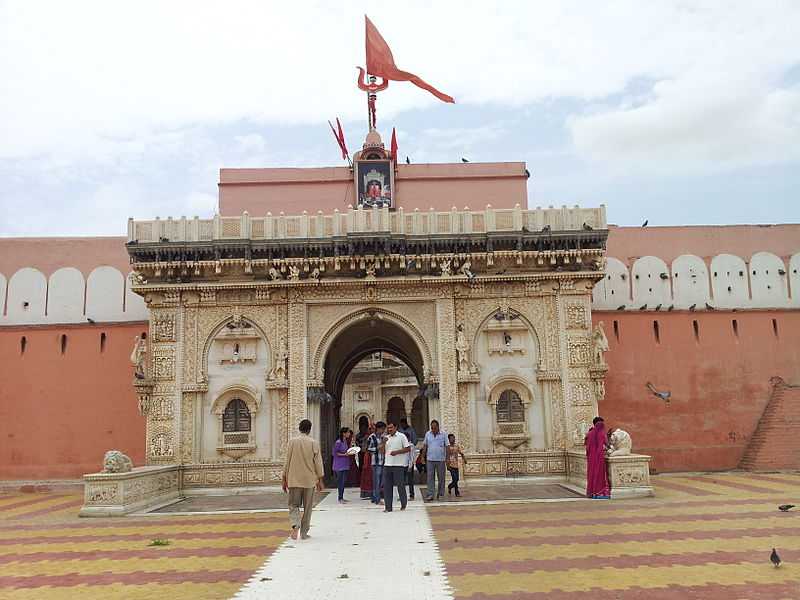
Located about 30 kilometres from Bikaner, the Karni Mata Temple in Deshnok is one of Rajasthan’s most extraordinary and sacred pilgrimage sites. Dedicated to Karni Mata, an incarnation of Goddess Durga, the temple is world-famous for being home to over 25,000 holy rats, known as kabbas, which are believed to be the reincarnated souls of the goddess’s devotees.
Built in the early 20th century by Maharaja Ganga Singh of Bikaner, the temple is an architectural marvel crafted from white marble with silver doors, carved domes, and intricate marble panels. Devotees and visitors alike come to witness the unique sight of rats freely roaming the temple, feeding on offerings, and even drinking milk from silver bowls — acts considered auspicious and blessed. Spotting a white rat among them is said to bring good fortune.
The atmosphere is filled with devotion, with chants and bells resonating through the sacred halls. The temple attracts pilgrims from across India, especially during the Karni Mata Fair, held twice a year in March–April and September–October.
With Hope India Tour and its Private Driver in India service, travellers can comfortably visit Karni Mata Temple along with Junagarh Fort, Lalgarh Palace, and other Bikaner landmarks. Spiritual, mysterious, and utterly fascinating — Karni Mata Temple is a living symbol of faith, legend, and the rich cultural diversity that defines Rajasthan.
The Desert Oasis of Royal Elegance
Located about 35 kilometres from Bikaner, the Gajner Palace & Lake is one of Rajasthan’s most enchanting royal retreats. Built by Maharaja Ganga Singh in the early 20th century, this magnificent palace served as a hunting and summer residence for the Bikaner royal family and their distinguished British guests. Nestled on the banks of the serene Gajner Lake, the palace stands as a tranquil oasis amidst the Thar Desert, offering breathtaking views and timeless charm.
Constructed from red sandstone, Gajner Palace reflects the exquisite Rajput and colonial architectural styles, featuring intricate jali work, grand terraces, and elegant corridors. The lush gardens and shimmering lake create a perfect contrast to the surrounding arid landscape. The palace is now converted into a heritage hotel, allowing visitors to experience regal hospitality, luxurious rooms, and dining by the lakeside.
The peaceful Gajner Lake attracts a variety of migratory birds, including imperial sandgrouse, making it a paradise for bird watchers and photographers. Sunset at the lake, when the palace glows golden against the desert backdrop, is a truly magical sight.
With Hope India Tour and its Private Driver in India service, travellers can explore Gajner Palace & Lake along with Junagarh Fort, Karni Mata Temple, and other nearby attractions. Elegant, serene, and steeped in history — Gajner Palace is a royal retreat that perfectly captures the romance and grandeur of Bikaner’s desert heritage.
The Marble Gem of Bikaner
The Bhandasar Jain Temple, located in the heart of Bikaner, is one of the most exquisite and historically significant Jain temples in Rajasthan. Dedicated to Lord Sumatinath, the fifth Tirthankara of Jainism, this temple was commissioned in the 15th century by a wealthy merchant named Bhandasa Oswal. Renowned for its breathtaking architecture, intricate carvings, and vibrant frescoes, the temple stands as a masterpiece of Rajputana artistry and Jain devotion.
Constructed primarily from red sandstone and marble, the temple’s interiors are adorned with detailed floral motifs, geometric patterns, and mythological paintings that depict Jain legends and celestial beings. The three-storey structure features finely sculpted pillars and mirror work that reflect the rich artistic tradition of medieval Rajasthan.
A fascinating legend claims that ghee (clarified butter), not water, was used in the temple’s foundation mixture — symbolising purity and faith. From the upper floors, visitors can enjoy panoramic views of Bikaner’s old city, with its maze of narrow lanes and golden-hued architecture.
Peaceful and spiritually uplifting, the Bhandasar Jain Temple continues to attract devotees and tourists alike for its divine aura and aesthetic brilliance.
With Hope India Tour and its Private Driver in India service, visitors can comfortably explore Bhandasar Jain Temple along with Junagarh Fort, Lalgarh Palace, and Karni Mata Temple. Blending faith, art, and heritage, the Bhandasar Jain Temple remains a timeless jewel in Bikaner’s cultural crown.